
Call Today for a FREE Consultation
210-342-3400
Recent Blog Posts
Signs That It Is Time to Start Thinking About Filing for Bankruptcy
 If you are struggling to make consistent payments on your debt-related financial obligations, you may or may not be in a position to benefit significantly from filing for bankruptcy. Certain bankruptcy alternatives are preferable for debtors who are facing unique circumstances, such as struggling to repay a single account. But, generally speaking, if you are unable to consistently repay multiple accounts, your wages are being garnished, you are risking repossession or foreclosure, or you simply cannot sleep at night due to debt-related stress, it may be time to start thinking about filing for bankruptcy.
There are numerous reasons why your financial situation may benefit significantly from the bankruptcy process. Overwhelming debt can lead to relationship strain, poor work performance, and a host of other challenges that color virtually every aspect of someone’s life. If your debt has become the most urgent aspect of your finances, chances are good that you could benefit from filing for bankruptcy.
If You Qualify for Chapter 7 Relief, There Are Still Reasons to Consider Chapter 13 Instead
 The two primary forms of personal bankruptcy that are widely available across the U.S. are Chapter 7 and Chapter 13 bankruptcy. Regardless of which type you are thinking about filing, you will benefit from a discharge of your qualifying debts at the end of a successful bankruptcy process. You will also benefit from the protection afforded by the automatic stay in either scenario.
Yet, there are distinctions between these two forms of bankruptcy that every potential filer should be aware of. You may have heard that if you qualify for Chapter 7 bankruptcy you should embrace this opportunity because it allows for a quick discharge of debts without a repayment plan. However, there are some reasons why even low-wage earners who are eligible for Chapter 7 may want to file for Chapter 13 bankruptcy instead.
Why Consider Chapter 13 Bankruptcy?
There are two primary reasons why a filer who is eligible for a Chapter 7 discharge may want to consider Chapter 13 relief as a superior alternative.
Bankruptcy: Credit Counseling and Education Course Requirements
 If you choose to file for bankruptcy, an attorney can complete most of the "heavy lifting" legal tasks associated with this process on your behalf. However, there are a few items on any bankruptcy to-do list that can only be completed by individual filers.
For example, you will be required to complete both a pre-bankruptcy credit counseling course and a pre-discharge debtor education course as elements of your bankruptcy filing. While an attorney can advise you regarding when you should complete each mandatory course, how to sign up for each course, and what you may want to pay particular attention to while participating, you will ultimately be responsible for accomplishing these steps in the bankruptcy process.
Pre-Bankruptcy Credit Counseling
It is easy to think about a bankruptcy case truly beginning when someone files their initial bankruptcy paperwork with the court. After all, that is when the protection of the automatic stay kicks in and the court begins considering the merits of a filer’s petition.
Filing for Bankruptcy to Address Medical Debt
 The federal Consumer Finance Protection Bureau (CFPB) recently released alarming statistics related to the amount of medical debt that Americans are struggling to repay. In all, adults in the U.S. owed a minimum of $88 billion in medical debt as of June 2021.
The agency clarified that the actual medical debt burden plaguing American families is likely much higher, as this statistic was gleaned from analysis of consumer credit records and not all medical debt is reported to credit agencies.
If your struggle to repay medical debt is compromising your ability to repay other debts and to make ends meet, you are not alone. Thankfully, there are some debt relief opportunities available to you at this time. While filing for bankruptcy is not the only way to manage burdensome medical debt, it is worth noting that this is the primary financial obligation cited by adults in the U.S. as the reason why they have chosen to file for bankruptcy.
When Homeowners File for Bankruptcy
 One of the primary lessons that Americans learned from the 2008 recession is that even hardworking people can fall on hard times no matter how financially responsible they are. As a result of this reality, you and your family may be facing a genuine risk of losing your home due to the foreclosure process. As a result, you may be thinking about filing for bankruptcy.
Depending on the details of your unique financial situation, filing for bankruptcy could help you to save your home, catch up on overdue payments, and restructure your debt to make your repayment obligations more manageable. With that said, filing for bankruptcy is not the best option for everyone, so you will want to carefully weigh your options before determining the best way forward.
Taking Advantage of the Automatic Stay
If you choose to file for bankruptcy, you will benefit from the protections afforded by the automatic stay as soon as the court receives your paperwork. The automatic stay halts most collection actions and keeps creditors from harassing you for nonpayment until your case is either resolved in your favor or dismissed.
How Much Debt Do I Need to Qualify for Bankruptcy?
 If you are struggling with debt, a loved one or trusted colleague may have suggested that you look into filing for bankruptcy. Due to your financial challenges, you may have already tried to apply for a loan to bridge the gap between your current circumstances and a brighter financial future. After being denied, next, you may have tried to take out another credit card. After having a request for financing denied again, you may – very understandably – be wondering how exactly a person may qualify for bankruptcy.
It may settle some of your fears to know that there is no minimum debt limit required for bankruptcy filers. Instead, you will primarily need to concern yourself with whether you have a substantial enough debt burden to justify filing for this form of debt relief.
Bankruptcy Eligibility Requirements
You will need to meet specific eligibility requirements in order to file for bankruptcy. The court is mostly concerned with your income situation. If you are a low-wage earner, you will likely qualify for Chapter 7 bankruptcy relief. If you earn enough income consistently to make manageable debt payments, you will likely qualify for Chapter 13 bankruptcy relief.
Should I Settle My Debt or File for Bankruptcy?
 Each year, thousands of Americans file for bankruptcy. Given how beneficial bankruptcy can be under certain circumstances, it is not difficult to understand why so many people choose to take advantage of this opportunity.
However, filing for bankruptcy is not the only debt relief option available for those who are struggling to consistently meet their financial obligations, nor is bankruptcy the best option for certain situations. As a result, it is important for debtors who are struggling to carefully review various debt management opportunities before determining which one(s) make the most sense for them.
For example, you may have heard about the potential benefits of debt settlement. Depending on your unique circumstances, settling your debt may or may not be a better choice than filing for bankruptcy.
Debt Settlement
The debt settlement process can be helpful if you can pay a large fraction of your balance at once in exchange for relief of the remainder. For example, if you are past due on a medical account that has a balance of $5,000, the provider’s billing office may allow you to pay $3,500 at once in exchange for closing your account.
Is Chapter 7 Bankruptcy or Chapter 13 Bankruptcy a Better Option?
 If you have decided that filing for bankruptcy will help you to get your finances back on track, it is time to decide which kind of bankruptcy relief you will be requesting. In most areas of the country, individuals and married couples filing jointly have two primary options: Chapter 7 and Chapter 13 bankruptcy. The matter of which one is a better option depends upon a filer’s unique priorities, needs, and financial situation.
Chapter 7 Bankruptcy
If you are eligible to file for Chapter 7 bankruptcy, you are not facing an immediate risk of foreclosure, and a significant fraction of your debt is eligible for discharge, this is likely to be the best option for your circumstances.
At the conclusion of a successful Chapter 7 bankruptcy case, a filer’s eligible unsecured debts—including credit card bills and overdue medical accounts—are discharged. This means that the debt is wiped out and affected creditors can no longer demand repayment.
Will You Lose Everything if You File for Chapter 7 Bankruptcy?
 Chapter 7 bankruptcy is often referred to as “liquidation bankruptcy.” This nickname gives many potential filers the impression that they will lose all of their property if they take advantage of the debt relief opportunity that Chapter 7 bankruptcy affords. Thankfully, this common misperception is not grounded in reality.
The vast majority of people who are eligible to file for Chapter 7 relief do not own much valuable property. As a result, they do not risk having to liquidate any – or many – of their assets.
The Role of a Chapter 7 Trustee
The most significant benefit of filing for Chapter 7 bankruptcy is that this process allows qualifying non-secured debts to be discharged without repayment. This means that a filer’s eligible debts will be eliminated at the conclusion of their case, even though they have not made any additional direct payments to their creditors.
Should You File for Bankruptcy or Pursue Bankruptcy Alternatives?
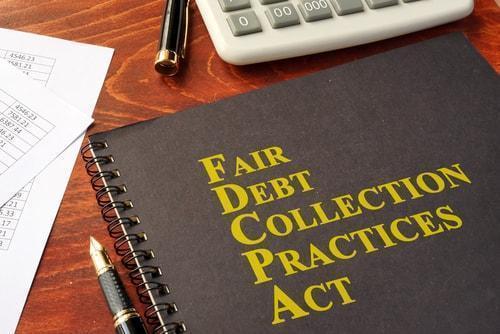 There are many resources available for people who are struggling to repay their debts on time. The best-known debt relief opportunity is bankruptcy. Filing for bankruptcy is an excellent option under many circumstances. However, it is not the only debt management solution that individuals who are navigating unmanageable debts may benefit from considering. A number of bankruptcy alternatives might be more beneficial for specific situations.
When Is Bankruptcy Preferable?
Bankruptcy allows filers to discharge qualifying unsecured debts. Chapter 7 filers can receive a discharge within a few weeks, as they are not required to repay their creditors before benefitting from this form of relief. Chapter 13 filers make manageable payments on their debt over the span of 3-5 years before receiving a discharge. Once the discharge is entered, the filer is no longer responsible for the debt nor can their creditors ever demand repayment of it again.
Call Today for a FREE Consultation
210-342-3400