
Call Today for a FREE Consultation
210-342-3400
Recent Blog Posts
Debts Sold or Assigned to Collection Agencies
What happens if you list a creditor in your bankruptcy case but, unknown to you, it sold the debt to a collection agency that you don’t list?
Our blog post two weeks ago was about needing to list all your debts in a bankruptcy case in order to write them off. This is part of a series of blog posts about debts that may not get discharged (written off) in bankruptcy. The law says that bankruptcy does not discharge debts that are "neither listed nor scheduled" in the bankruptcy documents. Section 523(a)(3) of the Bankruptcy Code.
Special Scenarios
This raises some practical questions, including the following:
- Is a debt covered if you don’t list it but the creditor still learns about your bankruptcy case?
- What happens if you list the creditor but it had previously sold the debt to a collection agency?
- What do you do if you don’t know all of your debts because you’ve moved or lost track of them for some other reason?
Creditor Not Listed But Knows about Your Case
Usually if you don’t list a debt, it doesn’t get discharged. An exception is if the creditor still learns about your case, on time.
Last week’s blog post was about the importance of listing all debts in a bankruptcy case to write them off. Debts "neither listed nor scheduled" in the bankruptcy documents are not discharged (legally written off). Section 523(a)(3) of the Bankruptcy Code.
Special Scenarios
This rule raises a number of practical questions. Here are some common situations:
- You don’t list a debt but the creditor finds out about your bankruptcy some other way.
- Your debt has been sold or assigned to a collection agency without your knowledge
- You don’t have good records of your debts and you may not know some of their names and addresses.
Today we address the first of these.
Creditor Knows About Your Bankruptcy Case
Debts You Don't List in Your Bankruptcy Case
If you don’t list a debt in your bankruptcy case, and don’t add it in on time, it may not be written off. So carefully include all debts.
Supposed to List All Creditors
You can’t pick and choose which debts to include in your bankruptcy case. The U.S. Bankruptcy Code says that the first duty of a bankruptcy debtor is to provide "a list of creditors." Section 521(a)(1) of Bankruptcy Code. That list includes secured, priority, and unsecured debts, which you put on Schedules D, E and F, respectively. As these Official Forms state clearly, you must
- "List All Secured Claims"
- "List All of Your Priority Unsecured Claims"
- "List All of Your Nonpriority Unsecured Claims"
Things You Should Know Before You File for Bankruptcy
 Most Americans have some form of debt -- mortgages, credit card debt, student loans, auto loans, and personal loans are all part of consumer debt and most Americans have a combination of them. For many people, the debt can be handled through smart budgeting and curbed spending, but some people need to use other measures. Bankruptcy is used when people can no longer pay their debt and offers a way for those in debt to get a fresh start. The decision to file for bankruptcy is a difficult one, especially since bankruptcy laws are so complex. Here are a few things you should know before you file for bankruptcy:
There Is More Than One Kind of Bankruptcy
For individuals, there are two different types of bankruptcies -- Chapter 7 and Chapter 13. A Chapter 7 bankruptcy is the type that most people associate the word bankruptcy with. In Chapter 7 bankruptcy, most of your unsecured debts can be discharged, meaning you will no longer be responsible for paying them back. In a Chapter 13 bankruptcy, you set up a repayment plan that allows you to repay your debts over three to five years. The kind you choose largely depends on your specific circumstances.
Bankruptcy Writes Off Vehicle Accident Claims, Unless Intoxicated
Bankruptcy writes off claims against you from a vehicle accident for personal injuries and property damage, IF you weren’t intoxicated.
Vehicle Accident Claims
If you had a vehicle accident, you could owe many kinds of debts from it. You could be liable for any injured party’s current and future medical bills, loss of wages, pain and suffering, and other forms of damages. You could owe for property damage to vehicles and also to any building or traffic barriers or signs.
Your insurance may cover all of these obligations. Of course if you have no insurance, it’s all on you. More likely you have insurance but not enough. Especially if you have only the legal minimum coverage, a major accident and/or one with multiple vehicles could easily result in damages more than your insurance limits. Then you’d be on the hook for everything insurance doesn’t cover. That could amount to tens or even hundreds of thousands of dollars.
Bankruptcy Can Write Off a Student Loan, IF it Causes Undue Hardship
Writing off student loans is not easy. You must convincingly show that paying the loan causes you undue hardship, a tough condition to prove.
Criminal fines and restitution and child and spousal support are types of debts that bankruptcy essentially never discharges. Income taxes can be discharged but only after meeting certain conditions. We’ve covered these in our last few blog posts. Today we cover student loans.
Student loans are more like income taxes than criminal or support debts in that they CAN get discharged in bankruptcy. Like an income tax, a student loan just needs to meet certain conditions.
But unlike an income tax debt, the conditions for discharge of a student loan are much vaguer. Most of the income tax conditions are clear. These conditions require a precise understanding of the law and a thorough knowledge of the facts of your case. But if you and your bankruptcy lawyer are careful, you should know before you file your bankruptcy whether you can discharge a tax debt.
Exploring Federal and Texas Bankruptcy Exemptions
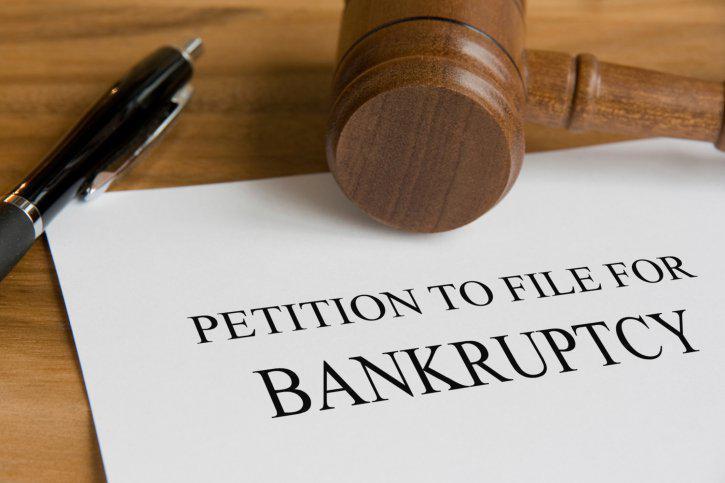 For some people, filing for bankruptcy can be a scary thing. In the beginning, you may not know what the future has in store for you and you may wonder which of your possessions you are allowed to keep and which possessions you must give up. Exemptions are an important part of the bankruptcy process. In a bankruptcy case, exemptions are the possessions that you get to keep after you have liquidated your luxury assets to help pay back a portion of your debts. Each state has its own guidelines for what property is exempt during a bankruptcy. In 17 states, including the state of Texas, you are able to choose between state exemption guidelines or federal guidelines, but you must choose one or the other. It is important to understand bankruptcy exemptions because they do differ.
Federal Exemptions
The exemptions that are listed here are the exemption amounts for each individual bankruptcy filer. That means if both you and your spouse are filing for bankruptcy, you can double the amounts. Here is a list of the current federal exemption amounts for each individual filer:
Bankruptcy Does Not Write Off Child or Spousal Support Debts
Child support and spousal support debts cannot get written off in bankruptcy. But is your specific divorce debt legally considered support?
We’re in a series of blog posts about special kinds of debt which bankruptcy may not discharge—write off. So far we’ve covered criminal fines and restitution, and income taxes.
Child and spousal support are more like criminal debts than like income taxes. Bankruptcy simply does not discharge a criminal debt, as long as it really is a criminal, not civil, obligation. Bankruptcy does discharge income tax debts that meet certain conditions. Bankruptcy simply does not discharge child and spousal support, IF it fits bankruptcy’s definition of support.
No Discharge of Support
Bankruptcy law is clear that neither Chapter 7 "straight bankruptcy" nor Chapter 13 "adjustment of debts" discharges support debts.
Bankruptcy Writes Off (Some) Income Taxes
Bankruptcy permanently writes off income taxes, as long as the tax meets certain conditions. For some taxes the conditions are easy to meet.
Bankruptcy DOES Write Off Income Taxes
There are certain very special debts that bankruptcy never writes off. Child and spousal support is a good example. See Sections 523(a)(5) and 101(14A) of the U.S. Bankruptcy Code.
Income taxes are different. Income taxes CAN be written off, as long as you meet a few conditions. These conditions mostly tie in to timing—when the tax was due and when (and whether) you filed its tax return.
The Two Timing Conditions
In most people meeting these conditions is straightforward. You essentially have to file your tax returns and wait long enough to comply with for the following two conditions:
Criminal Fines and Restitution Not Written Off in Bankruptcy
Bankruptcy does not write off criminal fines or restitution. But it can help by writing off other debts so you can pay crucial expenses.
If you owe criminal fines, penalties, forfeiture, or restitution, bankruptcy does not help you directly with those debts. But bankruptcy can still provide you essential help in paying for essential expenses, including criminal related ones.
The Criminal Fines and Restitution Exception
Neither Chapter 7 "straight bankruptcy" nor Chapter 13 "adjustment of debts" writes off criminal fines, penalties, forfeiture, or restitution.
Under Chapter 7 any "fine, penalty, or forfeiture" owed to "a governmental unit" is excluded from discharge (bankruptcy write-off). Section 523(a)(7) of the U.S. Bankruptcy Code.
(The only exceptions are if the debt is "compensation for actual pecuniary loss" or certain tax penalties. These are narrow exceptions that are beyond what this blog post covers.)
Call Today for a FREE Consultation
210-342-3400