
Call Today for a FREE Consultation
210-342-3400
Recent Blog Posts
Can a Debt Collector Freeze My Bank Account?
 There are many situations where a person may face overwhelming debt that they are unable to repay. In these cases, a person may need to deal with harassment from creditors, who may do everything they can to collect what is owed. In some cases, creditors may pursue legal action, and a debtor may worry that their wages may be garnished or that a creditor may attempt to freeze their bank account and prevent them from accessing or spending the money they have earned. By understanding how these cases are handled in Texas, debtors can determine their best options for addressing these issues.
Wage Garnishment and Attachment
In much of the United States, creditors may pursue judgments against those who owe them money, and if a court rules in their favor, they may be able to garnish a person’s wages. In these cases, a percentage of the person’s income will be withheld from their paychecks and sent to the creditor. However, Texas limits the types of cases where wage garnishment is available. Generally, wages can only be garnished to pay child support or spousal support that is past due. The IRS can also garnish wages to collect tax debts, and wage garnishment may also be available for student loans.
What Is the Means Test in a Bankruptcy Case?
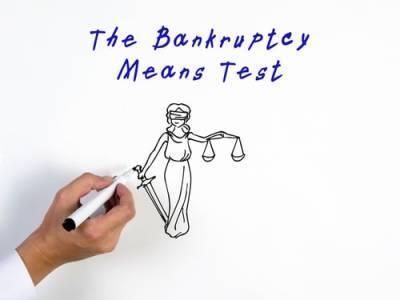 Most Americans owe debts in some form. While these debts are manageable in many cases, unexpected financial difficulties or other issues may make it difficult or impossible to repay the debts a person owes. Bankruptcy can offer debt relief in these cases, and for some debtors, Chapter 7 bankruptcy is the ideal option, and it will allow most types of debts to be discharged after certain types of assets are liquidated. However, to qualify for Chapter 7 bankruptcy, a person will need to pass a means test.
Income and Expenses Considered in the Means Test
The means test is meant to prevent abuse of the bankruptcy laws, and it limits the ability to file for Chapter 7 bankruptcy to those who have limited disposable income that would allow them to repay the debts they owe. The means test consists of two parts. The first part examines a person’s income and compares it to the median income in their state. A debtor will be required to report all sources of income, including their gross wages or salary, bonuses, commissions, income earned through businesses or real estate properties, unemployment compensation, and retirement/pension benefits. If the total amount of a debtor’s income is below the median income for their state, they will qualify for Chapter 7 bankruptcy.
How Will Bankruptcy Affect Ownership of My Car?
 There are many forms of financial hardship that can affect a person or family. The loss of a job may cause a person to be unable to pay certain bills, or a serious injury or illness may not only result in a reduction of income, but a family may also have large medical bills. In these situations or other cases where a person is unable to pay the debts they owe, bankruptcy can provide much-needed relief, eliminating certain types of debts and providing a family with a fresh start. However, a person may be concerned about how bankruptcy will affect their life and finances, including whether they will be able to continue owning their car.
Bankruptcy, Auto Loans, and Exemptions
Whether a person will be able to keep their car during and after bankruptcy will depend on the type of bankruptcy case, whether they have defaulted on their auto loan, and other factors. If a person still owes money on their auto loan, and they are unable to make payments, they may be able to discharge this debt through bankruptcy, but in these cases, the lender will most likely repossess the car.
How Does the Automatic Stay in a Bankruptcy Case Affect Taxes?
 A person who is struggling to pay their debts can gain many benefits by filing for bankruptcy, and the automatic stay is one of the most helpful of these benefits. This stay will go into effect as soon as a petition is filed in bankruptcy court, and it will prevent creditors from taking any actions to collect debts owed by the debtor. In addition to private creditors, such as mortgage lenders or credit card companies, the automatic stay applies to the IRS. Taxpayers who owe tax debts will want to understand what types of actions the IRS can and cannot take during the bankruptcy process.
The Automatic Stay and Tax Levies
There are a variety of methods that may be used to collect taxes. IRS tax levies may involve the garnishment of a person’s wages, the seizure of funds in a person’s bank accounts, or the offsetting of tax refunds that are due to a debtor. When a person files for bankruptcy, the automatic stay will prohibit the IRS from the beginning or proceeding with any of these tax levies.
Can Small Businesses Obtain Relief Through Chapter 5 Bankruptcy?
 There are many situations where businesses may have trouble paying debts and meeting other financial obligations while continuing to operate. In some cases, a business may seek to reorganize its operations and pay off as much of its debts as possible by pursuing Chapter 11 bankruptcy. However, this can be a long and involved process, and many small businesses may not have the resources to complete this type of reorganization while meeting all reporting requirements and paying the related costs. Fortunately, a recent change to the law has allowed some businesses to complete a Chapter 11 bankruptcy through a process that is faster and more efficient.
Small Business Debtor Reorganization
The Small Business Reorganization Act, which went into effect in 2020, created new procedures for a Chapter 11 bankruptcy. Because these procedures are outlined in Subchapter V of Chapter 11 of the U.S. Bankruptcy Code, this type of bankruptcy is often referred to as a “Chapter 5” case. Initially, Chapter 5 bankruptcy was available for businesses with aggregate debts up to around $2.7 million. However, the CARES Act of 2020, which provided relief for Americans affected by the COVID-19 pandemic, increased the qualifying amount of debt to $7.5 million.
Are There Exceptions to the Automatic Stay During a Bankruptcy Case?
 One of the benefits of filing for bankruptcy is that doing so places an automatic stay on collection actions by creditors. This means that creditors will be prohibited from making any attempts to collect debts while the bankruptcy case is ongoing, including contacting a debtor through phone calls, letters, garnishing their wages, or foreclosing on a person’s home. The automatic stay gives a person the opportunity to assess their financial situation and determine their options during the bankruptcy process without the requirement to repay certain debts during this time. However, there are certain types of exceptions to the automatic stay, and a person will need to understand how these will apply in their case.
Issues That Are Not Affected by the Automatic Stay
The following types of actions are not covered by the automatic stay in a bankruptcy case:
When Can I Receive a Hardship Discharge in a Chapter 13 Bankruptcy?
 Debtors have multiple options for addressing debts through bankruptcy. For those who have secured debts such as a home mortgage or other loans where they wish to maintain ownership of the collateral, or in cases where a family’s income exceeds a certain threshold, Chapter 13 bankruptcy may be the best option. In these cases, the debtor will propose a repayment plan in which they will put their disposable income toward paying off as much of their debts as possible over a period of three or five years, and after completing all payments in the plan, they will receive a discharge of the unsecured debts that are remaining. However, debtors may be concerned about what will happen if they encounter financial difficulties that affect their ability to make these payments. In these situations, a debtor may qualify for a hardship discharge.
Eligibility for a Hardship Discharge
How Is a Chapter 13 Bankruptcy Repayment Plan Created?
 If you have significant debts that have led to financial struggles for your family, you may be considering bankruptcy. If you want to be able to maintain ownership of your home, or if you want to avoid the repossession of a vehicle or other property, Chapter 13 bankruptcy may be the best option for you. In this type of bankruptcy, certain debts are grouped together in a repayment plan that will last either three or five years. After completing this plan, any unsecured debts that remain will be eliminated. As you prepare to file for bankruptcy, you will want to understand how your repayment plan will be calculated.
Creating a Repayment Plan in a Chapter 13 Bankruptcy
When you file for bankruptcy, you will be required to provide documentation detailing information such as a list of all of your creditors, the total income you earn and how often you are paid, an inventory of all of your assets, and details about your regular expenses. This information will be used to determine your disposable income, or the amount that is available to pay debts after covering your living expenses.
How Are Non-Judicial Foreclosures Handled in Texas?
 Families that experience financial difficulties may struggle to pay certain bills and expenses. In some cases, financial issues may cause a family to get behind on mortgage payments, and a lender may begin foreclosure proceedings. In Texas, lenders will usually use non-judicial foreclosure, meaning that a foreclosure can be completed without the need to go to court and receive approval from a judge. Homeowners will want to understand the procedures followed during this type of foreclosure, and by working with an attorney, they may be able to take steps to prevent the loss of their home.
The Non-Judicial Foreclosure Process
Most mortgages in Texas will use a deed of trust involving three parties: the lender, the borrower, and the trustee. The trustee will hold the title to the property, and the deed of trust will usually include a “power of sale” clause that allows the trustee to sell the home if the homeowner defaults on mortgage payments. This clause allows for a non-judicial foreclosure.
Is a Short Sale of My Home a Good Alternative to Bankruptcy?
 Homeowners who have experienced financial difficulties may struggle to make payments on multiple debts, including their mortgage. Those who have missed payments may be facing the threat of foreclosure, as well as harassment from other creditors seeking to recover payment for the debts that are owed. In this type of situation, a homeowner may be considering bankruptcy, but they should also be aware of other alternatives that may be available, including completing a short sale of their home.
Benefits and Drawbacks of a Short Sale
The real estate market often experiences fluctuations and a home may lose value for a variety of reasons. When a home is “underwater,” meaning that more is owed on the mortgage than the home is worth, the homeowner may be able to complete a short sale. In this type of sale, the home will be sold for its current market value, and the borrower may be released from the requirement to pay the additional amount owed on the mortgage.
Call Today for a FREE Consultation
210-342-3400