
Call Today for a FREE Consultation
210-342-3400
Recent Blog Posts
Common Myths About Bankruptcy in Texas
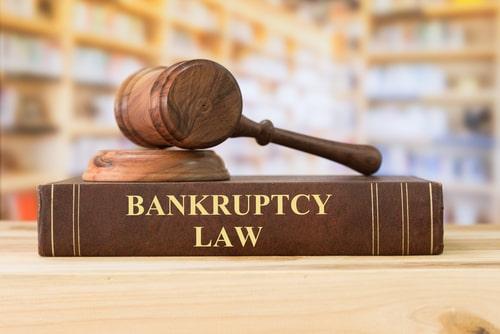 At our firm, we help clients every day with questions and concerns about the bankruptcy process under the U.S. Bankruptcy Code. Our experience has shown us that bankruptcy proceedings are often misunderstood, and unfortunately, misinformation abounds among those considering filing for bankruptcy. If you are thinking about bankruptcy as an option for your situation, it is very important for you to fully understand the potential advantages and disadvantages, as well as what might happen after the proceedings are complete. With this in mind, here are three of the most common myths about bankruptcy, along with the truth about each one.
Myth # 1: My Employer Will Be Notified That I Filed for Bankruptcy
Financial struggles are embarrassing for many people, and the reasons are understandable. As a result, it might be humiliating for you if your employer were to be notified of your bankruptcy filing. The good news is that this myth—albeit common—is just that: a myth. The bankruptcy process does not involve any employer notification whatsoever unless you happen to owe a formal debt to your employer somehow—in which case your employer would be notified, but as a creditor. Bankruptcy filings are public record, which means they could technically be published by the press, but it is unlikely that your employer would have much interest in searching through such publications.
Does the Automatic Stay During Bankruptcy Apply to Child Support?
 When you file for protection under the U.S. Bankruptcy Code, the bankruptcy court will automatically issue a stay that stops all collection activities by creditors. The automatic stay is a court order that prevents creditors from calling you, sending you letters, and otherwise pushing you to pay what you owe them. The stay is meant to be a form of relief that gives you the chance to get organized as you approach your bankruptcy proceedings. If you are subject to a child support order, however, it is important to understand that the automatic stay will not help you with that particular obligation.
How the Automatic Stay Works
Whether you are filing Chapter 7 or Chapter 13 bankruptcy, the bankruptcy code recognizes that you will need time and space to sort out your thoughts and to prepare for the proceedings without creditors bothering you at all hours of the day. The automatic stay is meant to give you that time and space. The stay also serves as the proverbial "line in the sand" as well, meaning that once the stay is issued, collection efforts cannot resume until the bankruptcy proceedings are complete or the creditor obtains the express permission of the bankruptcy court to contact you again. In the meantime, you will not be at risk of foreclosure, eviction, wage garnishments, or even having your utilities shut off.
Which Type of Bankruptcy Is Best for My Financial Situation?
 Bankruptcy is often seen as a last-ditch effort to overcome the financial burden that you may be experiencing. While this is typically the case, the level of debt that one may be in can vary greatly depending on their circumstances. Some may have no income and are struggling to pay basic bills, while others may have a steady income but have found themselves buried by exponential medical or credit card expenses. There are two common ways that Texans can file for bankruptcy: Chapter 7 and Chapter 13 bankruptcy. By looking at your unique circumstances, you can determine what type of bankruptcy filing is appropriate.
Chapter 7
When imagining what filing for bankruptcy looks like, people often imagine something along the lines of Chapter 7 bankruptcy. Also known as “liquidation bankruptcy”, this form of bankruptcy has the trustee sell the debtor's property and use the money collected to pay off their debts, as close to the total amount as possible - all remaining debts will be forgotten. This form of bankruptcy may seem preferable to some, since the process only takes about six months and some debts may be forgotten, but it is not available to all debtors. If the debtor’s income falls below the state’s median household income, which in Texas is $59,570, he or she is eligible to file for Chapter 7 bankruptcy. The debtor will not lose all of his or her assets during the bankruptcy process, since some personal property can be claimed exempt from the process.
Avoiding Income Tax Interest and Penalties
Bankruptcy timing can affect not only whether you must pay a tax debt but also whether you must pay certain tax interest and penalties.
This blog post is in a series about the importance of smart timing of your bankruptcy filing. Today we cover how good bankruptcy timing can prevent you having to pay certain income tax interest and penalties.
Avoiding Income Tax Interest and Penalties by Discharging the Tax Itself
Two weeks ago we discussed how to time a Chapter 7 “straight bankruptcy” appropriately to discharge an income tax debt. “Discharge” means to legally, permanently write off the tax. Then last week we discussed how to discharge an income tax in a Chapter 13 “adjustment of debts” case. When you discharge a tax in these ways what happens to the interest and penalties tied to that tax?
Generally, if you discharge an income tax debt, that also discharges any interest and penalties associated with that tax. That’s the most straightforward way to avoid such tax interest and penalties.
Timing Chapter 13 to Discharge Income Taxes
Usually you can discharge income taxes (write them off forever) by waiting long enough to file bankruptcy. Here’s how it works with Chapter 13.
Our blog post of three weeks ago introduced the importance of timing your bankruptcy filing right. We gave a list of 15 examples where timing can make a huge difference. Two weeks we covered the first one, timing bankruptcy to cover as many debts as possible. Last week was about discharging/writing off income taxes, specifically under a Chapter 7 “straight bankruptcy.” This week is about doing so under Chapter 13 “adjustment of debts.”
How to Time a Chapter 13 Filing to Discharge a Tax?
See our last blog post about the timing rules under Chapter 7. That’s because whether you can discharge an income tax is the same under Chapter 7 and 13. Very briefly, you can discharge an income tax as long as you file your Chapter 13 case both:
Timing Bankruptcy to Discharge Income Taxes
Usually you can discharge income taxes (write them off forever) by waiting to file bankruptcy long enough. Here’s how it works under Chapter 7.
Our blog post of two weeks ago introduced the importance of timing your bankruptcy filing right. We gave a list of 15 examples of timing considerations. Last week we started with the first one, timing the filing to cover as many debts as possible. Today it’s about discharging/writing off income taxes, specifically under a Chapter 7 “straight bankruptcy.”
Here are a few eye-catching facts:
- It is possible to discharge many income tax debts, so that you do not owe a dime of that tax.
- You just have to meet a list of conditions.
- Most, but not all, of those conditions involve the passing of time. You need to wait long enough before filing bankruptcy to permanently discharge a tax debt.
- If you don’t meet the conditions, bankruptcy does not discharge the tax at all. You owe it in full. If you filed a Chapter 7 case, you have to pay the tax after completing the case.
Timing Bankruptcy to Cover New Debts
A bankruptcy covers the debts you owe as of the moment you file your case, not future debts. So how do you know when to file your case?
In last week’s blog post we introduced how to time your bankruptcy filing. We gave a list of 15 examples of timing considerations. Today we start with the first example: timing your bankruptcy filing so that it covers as many debts as possible.
Debts You Might Owe Very Soon
Here are two situations in which you expect to soon owe a debt that you don’t owe at the moment.
First, let’s say you have a medical condition for which you are about to see a doctor or other health professional. Or it’s an ongoing condition for which you get treatment regularly. Let’s assume that you know that you can’t afford to pay the upcoming medical bills for these upcoming services. You are already feeling overwhelmed by your present debts. You’re feeling pressure to file bankruptcy now to get relief from those debts. But you’re wondering if you should wait to file bankruptcy until after you’ve finished incurring the upcoming medical debts.
Timing Your Bankruptcy
The timing of your bankruptcy case is important, sometimes extremely important. It can determine if your case is as successful as it can be.
Five weeks ago we started a series on why you should get legal advice from a bankruptcy lawyer. We’ve also been making a point of showing why it’s smart to do so early, when you start considering bankruptcy.
It’s super important to get this legal advice so that you can learn:
- if bankruptcy is the best option for you, and how to pursue other alternatives
- how Chapter 7, 11, 12, and 13 work, and whether either are right for you
- what actions you should take to position yourself, whether you’re possibly or definitely filing bankruptcy
- what you should avoid doing
- the best timing for your bankruptcy filing
If you want to look back, we covered #1 and #2 five weeks ago. The next four blog posts got into different aspects of what you should and shouldn’t be doing before filing (#3 and #4). These included keeping assets (4 weeks ago), taking on debt (3 weeks ago), filing income tax returns and paying the taxes (2 weeks ago), and paying child/spousal support (1 week ago).
Paying Unpaid Child/Spousal Support before Bankruptcy
Before filing bankruptcy, should you pay child/spousal support debt in the meantime? This may depend on whether you file Chapter 7 or 13.
Our last three blog posts have been about what you should and should not do before filing bankruptcy. Three weeks ago we focused on keeping your assets, especially any retirement funds, and collateral, such as home or vehicle. Two weeks we discussed whether to take on more debt, maybe to buy time and not need to file bankruptcy. And last week we looked at whether you should file any unfiled income tax returns, and pay income taxes.
Today the question is whether to pay unpaid child/spousal support before filing bankruptcy. As with all of these issues, there are some general principles worth getting to understand. But everybody’s situation is truly unique. So you really do need the help of an experience bankruptcy lawyer to apply these principles to your personal situation. This blog post can be the first step towards becoming well-informed about your options. It’ll help you ask the right questions so that you can make the best decisions.
How Do I Know if I Should File for Bankruptcy?
For many people, the thought of filing for bankruptcy is a scary one. However, for many people, filing for bankruptcy is the best thing they could do for their finances. Filing for bankruptcy allows you to wipe your slate clean and discharge most of your unsecured debts, but it does come with some consequences. Filing for bankruptcy might make your life more difficult in the future, by making it harder to borrow money, lowering your credit score or even affecting your insurance rates. It can be difficult for some people to gauge whether or not bankruptcy is in their best interests, which is where a skilled Texas bankruptcy lawyer can help.
Your Debts Far Exceed Your Income
Think about all of your different types of debt: your mortgage or rent, car payment, all of your different credit cards, and personal loans. How much total debt do you have? Now, think of your income. How much money do you bring in each month? If your monthly debt obligations are much higher than the amount of money you bring in, you may want to consider filing for bankruptcy.
Call Today for a FREE Consultation
210-342-3400