
Call Today for a FREE Consultation
210-342-3400
Recent Blog Posts
What Medical Bills Can You Get Rid of With Bankruptcy?
 Medical debt is one of the most common reasons people consider bankruptcy. Whether from an unexpected hospital stay, an emergency surgery, or long-term medical treatment, medical bills can quickly overwhelm even the most responsible people.
If you are struggling with unpaid medical bills, you may be wondering: Does bankruptcy cover medical bills? Can you file bankruptcy on medical bills in Texas? The short answer is yes, bankruptcy can often help eliminate medical debt, but the process depends on your financial situation and the type of bankruptcy you qualify for.
Understanding how medical debt is treated in bankruptcy and what happens if you do not pay can help you make informed decisions about your financial future, and our Texas bankruptcy lawyer is here to help.
Can You File Bankruptcy for Medical Bills in Texas?
Medical debt is considered unsecured debt, meaning it is not backed by collateral like a house or car. In both Chapter 7 and Chapter 13 bankruptcy, medical bills can be discharged, meaning you are no longer legally required to pay them.
Can Tax Returns Be Garnished in Texas?
 Receiving a tax refund can provide badly needed money, especially for those struggling with debt. However, during tax season, many people worry that creditors or the government will seize their refund before they ever see it. Texas has strong protections against wage and bank garnishments, but tax refunds are treated differently under both state and federal laws.
Understanding when and how a tax refund can be taken is important, not only for your peace of mind but so that you can devise a strategy to protect your money. A Texas bankruptcy lawyer can help you explore legal options to protect your income and work toward a fresh financial start.
Can Collectors Take My Tax Refund?
Texas law protects many types of income from garnishment by private creditors, including wages, Social Security benefits, and retirement income. However, tax refunds do not receive the same level of protection.
Can I Keep My Home After Bankruptcy?
 Your home is likely your most valuable asset in more ways than one. Losing your home can be a major financial and personal loss. If you are behind on mortgage payments and facing foreclosure, you are likely also struggling to keep up with any other debts you might have, such as credit card debts or medical bills. You might be considering bankruptcy as a solution but are worried about whether filing for bankruptcy would mean losing your house. In many cases, keeping your home after filing for bankruptcy is entirely possible. Filing Chapter 13 bankruptcy is a highly effective means of keeping your home when facing foreclosure. Even if you file Chapter 7 bankruptcy, there may still be options for keeping your home if that is a priority for you. A San Antonio, TX bankruptcy lawyer can help you strategize to avoid foreclosure during your bankruptcy.
Using Chapter 13 Bankruptcy to Avoid Foreclosure
When you go through a Chapter 13 bankruptcy, you effectively consolidate your debts into one monthly payment. You keep making one large monthly payment for three to five years, and any unsatisfied debt is cleared. Since you are still making payments towards your debt, you can generally continue paying off your mortgage after the bankruptcy and avoid foreclosure.
Options for Avoiding Bankruptcy
 Filing for bankruptcy is a fairly drastic step. While it can offer you a fresh start without the burden of debt, it can also have a lasting impact on your credit score and may make achieving goals like homeownership more challenging. There are several alternatives to bankruptcy available for some debtors, especially those who only have one major creditor. You should explore these alternatives with an experienced New Braunfels, TX bankruptcy attorney before making the decision to file. Bankruptcy can be wonderful for those who truly need it, but it should not be your first resort if there is an alternative path to debt relief.
Negotiating With a Single Creditor
Most people who are struggling with debt owe numerous different debts to a series of creditors. For example, a person might have several credit cards that are all maxed out in addition to some medical debt and a mortgage in arrears. If you only have one major source of debt, you might be able to negotiate with that creditor to lower your monthly payments, waive late fees to help you catch up on payments, or reduce your interest rate so you can start paying down the principal.
The Impact of Chapter 13 Repayment Plans
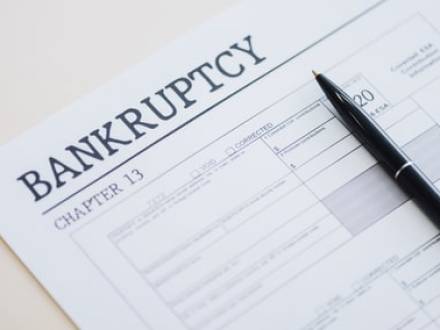 If you are considering filing for bankruptcy, you are likely already quite used to making large monthly payments toward your debts. You have probably been putting most of your disposable income toward credit card bills, payday loan debts, home equity loan debts, or other repayments. You may have been struggling to keep up with these payments for a long time. Restructuring your debts through Chapter 13 bankruptcy can help you establish a single monthly payment that is precisely calculated so that you can reliably make it, but will probably not have a lot of disposable income left over afterward. It is important to consider the impact this type of repayment plan will have on your lifestyle for the three to five years you will be on it before the remainder of your debt is cleared away. An experienced San Antonio, TX Chapter 13 bankruptcy lawyer can help you understand how restructuring your debts is likely to impact your life.
How Long Do I Have to Wait Before Filing for Bankruptcy Again?
 If at all possible, you should try to plan out your bankruptcy so that you will only need to file once. This means timing your bankruptcy strategically so that you will not go straight back into debt after filing. For example, if you are considering filing over the credit card debt you took on during a period of unemployment and you have not found a job yet, it may be better to wait until your financial situation has stabilized. After a successful bankruptcy, there is a waiting period before you can file again. The waiting period may be four, six, or eight years, depending on whether you filed under Chapter 7 or Chapter 13 last time and which chapter you will be filing under this time. People experiencing a second bankruptcy should be represented by an experienced Schertz, TX bankruptcy lawyer. Repeat filings can affect whether the automatic stay and other bankruptcy benefits help you.
Can Filing for Bankruptcy Affect My Career?
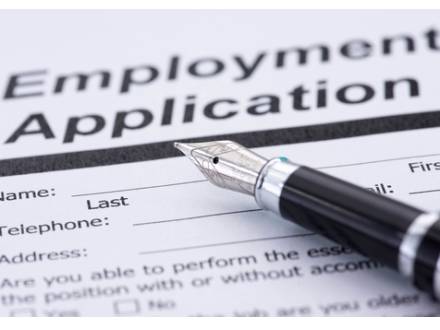 If you have a good job now or are on a promising career trajectory, it makes sense to prioritize your future career prospects. Finding and keeping gainful employment is essential to staying out of debt and recovering your financial health after bankruptcy. It makes sense to take the time to understand how bankruptcy could or could not affect your current and future employment. For most people, filing for bankruptcy has no real impact on their job prospects. However, if you work in certain professional industries, you may encounter employers less willing to hire applicants who have been through bankruptcy. An experienced Kerrville, TX bankruptcy attorney can help you understand how a bankruptcy might affect your career plans.
Can I Get Fired for Filing for Bankruptcy?
Your current employer cannot legally fire you just for filing for bankruptcy. Firing an employee for needing debt relief would be considered a form of workplace discrimination. Even the best and most responsible employee could need to file for bankruptcy after experiencing setbacks that are beyond his or her control, like extraordinary medical bills or a house fire.
Timing Bankruptcy Around an Illness
 Medical bills are an extremely common source of insurmountable debt. No matter how responsible or good with money, anyone can find himself in this situation. You may have had a good job, good health insurance, and reasonable savings before getting sick. However, the cost of healthcare can be astronomical. Insurance may not have covered all of the care you needed, especially if you had to rely on experimental or very new treatments or if you had to go out of network to find the right specialist. It is also normal for people who are struggling with a long illness to take on other types of debt, such as credit card debt, to keep paying for essentials while they are unable to work. Fortunately, medical debt and credit card debt are both dischargeable in bankruptcy. If you are considering bankruptcy as a solution to medical debt, an experienced New Braunfels, TX bankruptcy attorney can help make sure you are filing bankruptcy at the right time.
What Debts Are Not Dischargeable in Bankruptcy?
 Most normal debts are wiped away when you successfully complete the bankruptcy process. Credit card, medical, and personal loan debt can all be discharged. However, there are a few types of debt that you cannot discharge through bankruptcy. You will likely still be responsible for your student loan debts, some tax debts, and family support obligations after filing for bankruptcy. When you are considering filing for bankruptcy, you should talk to your San Antonio, TX bankruptcy attorney about what debts you might still owe after your bankruptcy. If your main source of debt is something that cannot be discharged, you might want to consider a debt relief solution other than bankruptcy.
Student Loans Are Rarely Dischargeable
Student loans are a necessity for most people who are pursuing a college education. However, student loan debt can become insurmountable after graduation. Even college graduates who do find a good job after college can find it difficult to keep up with student loan payments. Unfortunately, under normal circumstances, you cannot discharge student loans through bankruptcy. In rare instances, students who have become permanently disabled can sometimes discharge student loan debt.
What to Know About Filing for Bankruptcy After the Holidays
 Few people want to file bankruptcy right before or during the holidays. For one, it can be much harder to enjoy your holidays while you have bankruptcy proceedings looming. You might be worried about losing access to your lines of credit and not having the money you need to have your customary celebration. You might need to travel to see family if you live in separate parts of the country, spending money on flights, hotels, and food during travel. Parents are usually focused on making sure their children will have presents to open and are not worried about the family’s financial situation. While enjoying the holidays with your family is important, you might be left with even more debt, some of which you might not be able to discharge. You should consult an experienced San Antonio, TX bankruptcy lawyer about how to time your bankruptcy.
Debt From Purchasing Luxury Items May Not be Discharged
Bankruptcy courts treat luxury purchases from the last several months differently than other debt. This very much includes luxury goods purchased as gifts for others and many travel-related costs. If you know that you are likely to file for bankruptcy soon, it is best to avoid luxury purchases and consider celebrating at home this year.
Call Today for a FREE Consultation
210-342-3400