
Call Today for a FREE Consultation
210-342-3400
Recent Blog Posts
What do Bankruptcy Courts Consider a Luxury Purchase?
 Before you file for bankruptcy, it is important to avoid making any luxury purchases on credit for at least several months. If you use your credit cards to purchase luxury goods or services soon before filing, it might look as though you are deliberately trying to max out your credit cards knowing that your debt is about to be cleared. You may also not be able to discharge debt you acquired by making luxury purchases shortly before filing. Understanding what is and is not considered a luxury purchase is essential during the bankruptcy planning process. An experienced San Antonio, TX bankruptcy lawyer can help you determine if an expenditure you are considering making would be considered a luxury purchase.
Luxuries Are Goods and Services That Are Not Reasonably Necessary
When most people think of luxury purchases, they think of things like high-end spa treatments and designer handbags. While these things would certainly be considered luxury expenditures, the way luxuries are defined in bankruptcy law is much less restrictive. Luxury purchases are any purchases that are not reasonably necessary for your and your family’s support and maintenance. This can include recreational expenses like going to concerts or taking a vacation, buying high-end goods when a less costly item would have sufficed, and buying items that are not essential to daily living.
What Not to Do Before Filing for Bankruptcy
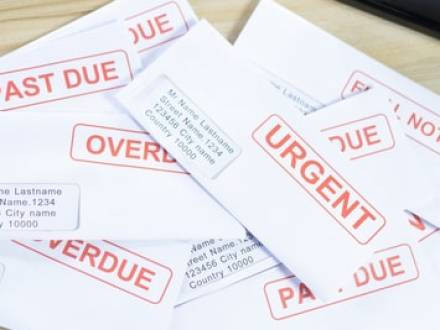 What you do shortly before filing for bankruptcy could make your case much easier or much harder. Appearances matter in a bankruptcy case, and you do not want it to look like you are abusing the bankruptcy process or attempting to avoid liquidation. It is usually best to avoid big financial moves in the months before filing for bankruptcy. You should begin speaking with a San Antonio, TX bankruptcy lawyer early on. A bankruptcy attorney can help you avoid making mistakes that could prove costly during your bankruptcy proceedings. You will need to time your bankruptcy around other financial events and may need to delay filing in some cases.
Common Mistakes Prior to Filing for Bankruptcy
A few things you generally should not do just before filing for bankruptcy include:
- Creating more debt - It can help if you have been trying to make payments on your debts instead of going further into debt before you file for bankruptcy. It is better not to willingly take on more debt knowing that you will not be able to repay it even if you are using a Chapter 13 bankruptcy. Other than unavoidable medical debt, it is best to avoid adding to your debt right before filing for bankruptcy.
Can I Be a Homeowner Again After Bankruptcy?
 If you are serious about rebuilding credit after bankruptcy and have steady income, it is very possible to return to a position where buying a home is achievable. A lot of people who have been through a bankruptcy are able to secure a home loan as little as a few years later. There may be a waiting period before you can apply for certain types of home loans, but they are typically between two and four years. Bankruptcy exists to help people get out of insurmountable debt so that they can start again with a clean slate, not to make basic goals like home ownership impossible. A Boerne, TX bankruptcy attorney can help you plan for success after your bankruptcy.
The Waiting Period for Federally-Backed Loans
If you are planning on using a federal program to obtain a home loan, there may be a brief waiting period. If you are using a VA loan or an FHA loan, the waiting period after a bankruptcy before you can apply for a loan is two years if you had a Chapter 7 bankruptcy.
Will My Car Get Repossessed During Bankruptcy?
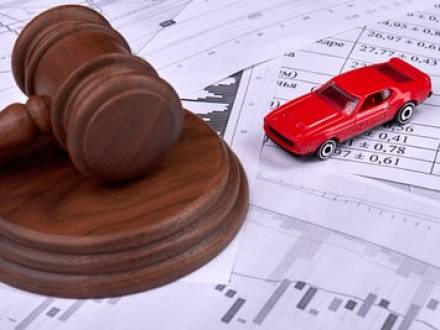 A car is not a luxury item for most people in Texas. It is an absolute necessity. Public transportation outside of major cities like New York and Chicago leaves a lot to be desired and is not a practical solution for getting to work, grocery shopping, or taking your children to school or daycare and back home. A commute that takes 30 minutes by car might take close to two hours by bus. It is very normal for people who are considering filing for bankruptcy to be worried about the possibility of losing their cars. Many people who are thinking about declaring bankruptcy are significantly behind on bills and have already been threatened with having their vehicles repossessed. Fortunately, there are ways to keep your personal vehicle during bankruptcy. An experienced Bexar County, TX bankruptcy and repossession attorney can help you strategize to avoid being left stranded.
The Automatic Stay Temporarily Stops Repossessions
As soon as you file for bankruptcy, an automatic stay is issued telling your creditors to stop all attempts at collecting on your debt. This means any current threats of repossession should stop immediately after you file. While the automatic stay only lasts until your bankruptcy proceedings are over, it will keep your car from being repossessed in the short term. This allows you and your attorney time to strategize so that you can keep your vehicle.
How Can I Start a Business After Bankruptcy in Texas?
 Filing bankruptcy is a legal solution that can help reset your financial life. However, this fresh start comes with certain trade-offs. Bankruptcy affects the filer’s credit score and can temporarily impact his or her ability to obtain lines of credit. Chapter 13 bankruptcy appears on a filer’s credit for seven years, and Chapter 7 for 10 years.
Therefore, some aspiring entrepreneurs who are overwhelmed with debt and are considering bankruptcy wonder whether it will affect their ability to start a business. The good news is that bankruptcy does not stop you from being able to start a new venture, though it may present unique challenges to bankruptcy filers. The best way to plan how to launch a business after bankruptcy is to consult a Texas bankruptcy attorney who can help you understand how Chapter 7 or Chapter 13 can affect your entrepreneurial goals.
What Steps Should I Take to Start a Business After Bankruptcy?
Starting a business post-bankruptcy requires careful planning. Entrepreneurs who have discharged their debts through the bankruptcy process should consider taking the following steps:
How Do Homestead Exemptions Protect My Property During Bankruptcy?
 One of the most common concerns debtors have when filing for bankruptcy is what happens to their assets. Filers often worry that their personal belongings, furniture, cars, and homes may be in jeopardy of being sold to pay off creditors. However, Texas law offers fairly liberal exemptions for bankruptcy filers that allow them to keep certain assets. The homestead exemption, for example, protects a filer’s property against creditors throughout bankruptcy. This exemption is subject to provisions, however, which is why you should consult a Texas bankruptcy attorney about how you can best protect your assets while discharging your debts.
What Is the Texas Homestead Exemption?
The Texas homestead exemption gives people who file for bankruptcy unlimited protection for the equity in their homes. Equity refers to the portion of a property that the owner has paid off and therefore owns. For example, if your home is worth $500,000 and you owe $200,000 on the mortgage, your equity in the home is $300,000.
What Can I Keep if I File Bankruptcy?
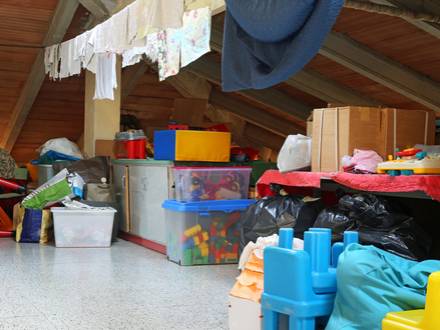 Bankruptcy is a tool that helps people escape overwhelming debt, but that does not mean creditors are not entitled to repayment. When someone files Chapter 7 bankruptcy, the debtor’s assets are liquidated to pay creditors. Many borrowers who are considering bankruptcy assume all their assets are subject to liquidation, but this is not the case.
Texas law offers exemptions for certain assets, which means a bankruptcy filer is entitled to keep some possessions. For more details and to discuss your bankruptcy needs, reach out to a qualified Texas bankruptcy attorney.
What Is the Asset Exemption Law in Texas?
Texas is known for its generous asset exemption laws that allow bankruptcy filers to maintain a certain standard of living even as their possessions are liquidated. Filers can keep specific essential assets up to a defined value with the following exemptions:
-
Personal property exemption: Filers can keep their home furniture, clothing, food, health equipment, pets and animals, family heirlooms, health savings accounts, burial plots, up to two firearms, sporting equipment, farming tools, religious items, and jewelry. The personal property exemption is limited to $100,000 for families and $50,000 for single adults, which means anything above that amount is eligible for liquidation. Jewelry is capped at 25 percent of the exemption.
What Happens at a Creditors Meeting During Bankruptcy?
 A person who files for bankruptcy is required to attend a 341 meeting of creditors, also referred to as a creditors meeting. The purpose of the meeting is to allow the creditors, the debtor, and the trustee to discuss the debtor’s financial situation and the details of the bankruptcy case. Understanding what a creditors meeting is and what to expect can help you prepare appropriately. Consult a qualified Texas bankruptcy attorney who will walk you through the steps and guide you through your bankruptcy case.
What Is a Bankruptcy Trustee?
After a debtor files for bankruptcy, the court appoints a neutral third party called a trustee to ensure the filer’s debts are paid to the creditors as required. The trustee’s specific duties vary depending on the type of bankruptcy:
What Happens to Repossessed Property in Bankruptcy?
 When a person fails to pay certain secured debts, creditors may seize that person’s property in a process called repossession. Sometimes a lender might repossess a car or a boat if its owner fails to pay it off; when a house is repossessed, it is called "foreclosure." The creditor can then liquidate the property by selling it and make up for the outstanding debt.
But what happens if the borrower files for bankruptcy? Bankruptcy can affect repossession in various ways, depending on whether it is Chapter 7 or Chapter 13. To learn how bankruptcy might affect your property, consult a Texas bankruptcy attorney with knowledge about repossession.
How Does Chapter 7 Bankruptcy Affect Repossession?
In Chapter 7 bankruptcy, some of the borrower’s assets may be liquidated and used to pay off debts. Here is how Chapter 7 can affect the repossession of the filer’s property:
How Does Bankruptcy Affect Divorce in Texas?
 Bankruptcy and divorce are two life events that can have major impacts on your finances. Depending on your timing, filing bankruptcy can affect divorce. One of the main reasons for this is that bankruptcy is designed to pull you out of debt while divorce can burden you with more. The debt division part of the divorce process, for example — where the court distributes marital debt between the parties — can be affected by bankruptcy.
If you are considering bankruptcy while also facing a divorce, it is important to understand how the two can intersect. It is also crucial to realize that your timing in filing bankruptcy can impact the divorce process. Consult a Texas bankruptcy attorney for more details and legal assistance with your bankruptcy.
When Should I File Bankruptcy if I Am Facing a Divorce?
There are two options when planning bankruptcy around divorce:
-
Filing for bankruptcy before divorce: Filing for bankruptcy first can have advantages, especially if you and your spouse file jointly. If you both liquidate your assets to discharge your debts through Chapter 7 bankruptcy, for example, it can make the divorce process smoother by avoiding complex procedures like asset and debt division. On the other hand, your divorce usually cannot be finalized while bankruptcy proceedings are ongoing, and that may delay the divorce process.
Call Today for a FREE Consultation
210-342-3400